Print | Login
graphs/graph_sv_p.gif
anglais seulement
EPFL  >  FSV  >  GHI  >  LBAC - LABORATORY...
splash_upkin new version.jpg

Welcome to the Laboratory of Bacteriology (LBAC)

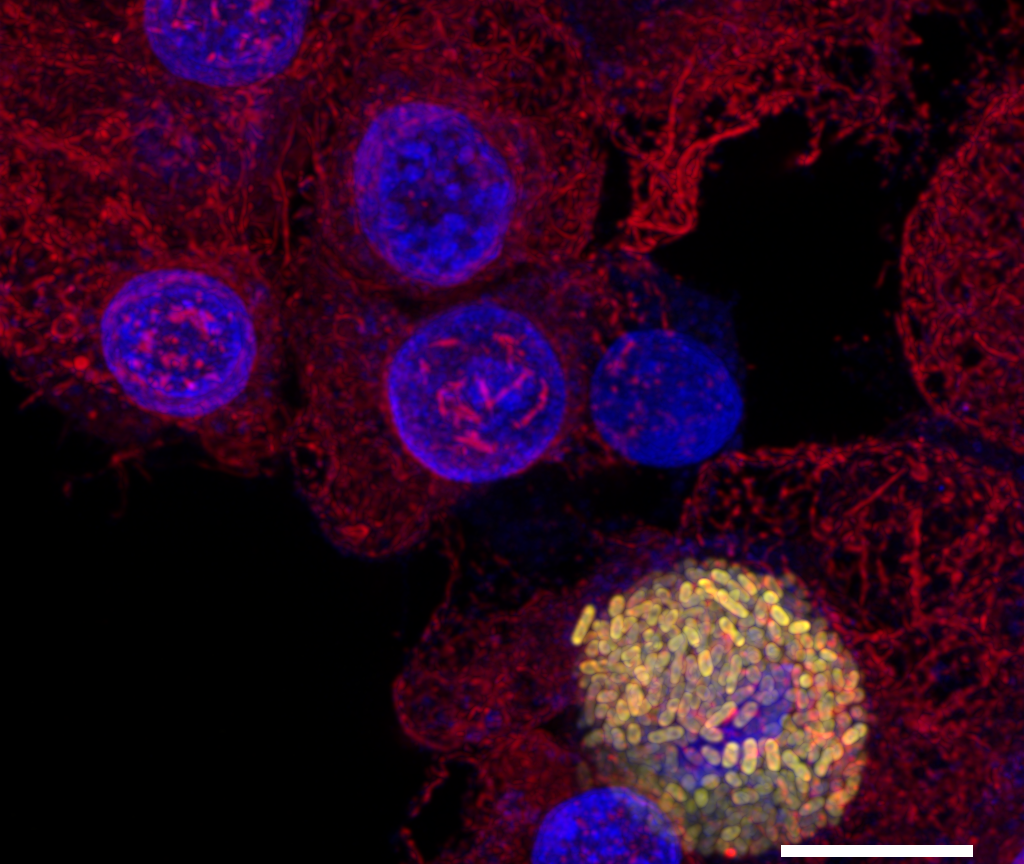
Most bacterial infections come and go in a matter of days or weeks, but tuberculosis (TB) persists for the lifetime of the mammalian host. In the Laboratory of Bacteriology (LBAC), we study the "persistence mechanisms" that allow the tuberculosis bacillus (Mycobacterium tuberculosis) to endure in the face of host immunity, antimicrobial therapy, and environmental assaults. We seek answers to the following questions:

How does M. tuberculosis evade or counter the potentially lethal impact of host immune mechanisms in order to establish and maintain persistent infection?

Why is tuberculosis so refractory to treatment with antimicrobials? Is persistence in the face of antimicrobials a static or dynamic process? Are the underlying mechanisms stochastic or deterministic?

What are the epigenetic sources of cell-to-cell phenotypic variation in mycobacteria? How does this non-genetic variation impact on bacterial persistence in fluctuating environments? On what time scales do variant phenotypes persist?

What metabolic adaptations are required for long-term mycobacterial persistence in the chronically infected host? How does the "wiring diagram" of central metabolism adapt to different stages of infection as the bacteria transition from fast growth (acute infection) to slow growth (chronic infection)?

Why does M. tuberculosis grow so slowly (24 h doubling time) compared to other bacteria? What physiologic adaptations are required for slow growth? What are the scaling laws that link growth rate and time-dependent physiological processes?

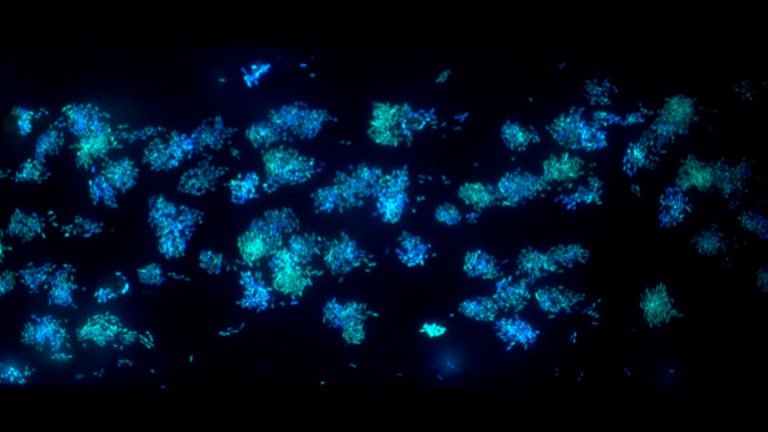
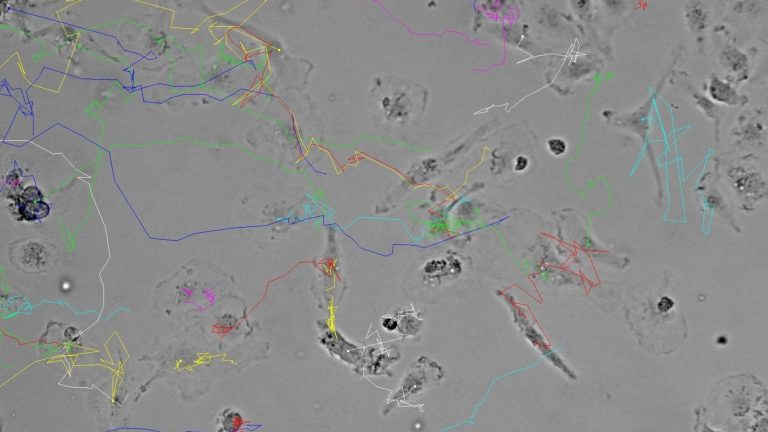
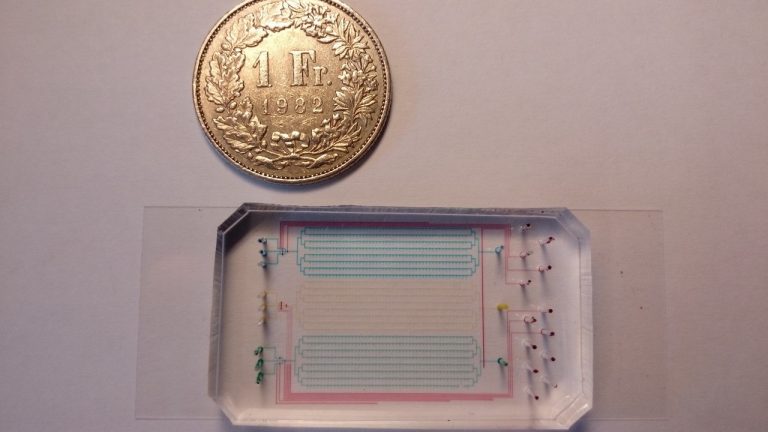
Our technical approaches include molecular genetics, animal and tissue culture infection models, mass spectrometry, computational modeling, microelectromechanical and microfluidic systems, and time-lapse fluorescence microscopy. In collaboration with our colleagues in EPFL's School of Engineering, we are developing new technologies to analyze the time evolution of bacterial phenotypes at single-cell resolution.

CONTACT

Head of the Laboratory
Prof. John D. McKinney
Office: SV 3834
john.mckinney@epfl.ch
Phone: +41 (0)21 693 1841

Senior Staff Scientist
Dr. Neeraj Dhar
Office: SV 3832
neeraj.dhar@epfl.ch
Phone: +41 (0)21 693 1834

Administration
Mme. Suzanne Lamy
Office: SV 3837
suzanne.lamy@epfl.ch
Phone: +41 (0)21 693 1787

Mailing Address
EPFL
SV-GHI-UPKIN
Bâtiment SV 3834
Station 19
CH-1015 Lausanne
Switzerland

Fax: +41 (0)21 693 1790


HOW TO FIND US
SEARCH TOOL
 this site
 a person
 a place
  Web EPFL

  OK